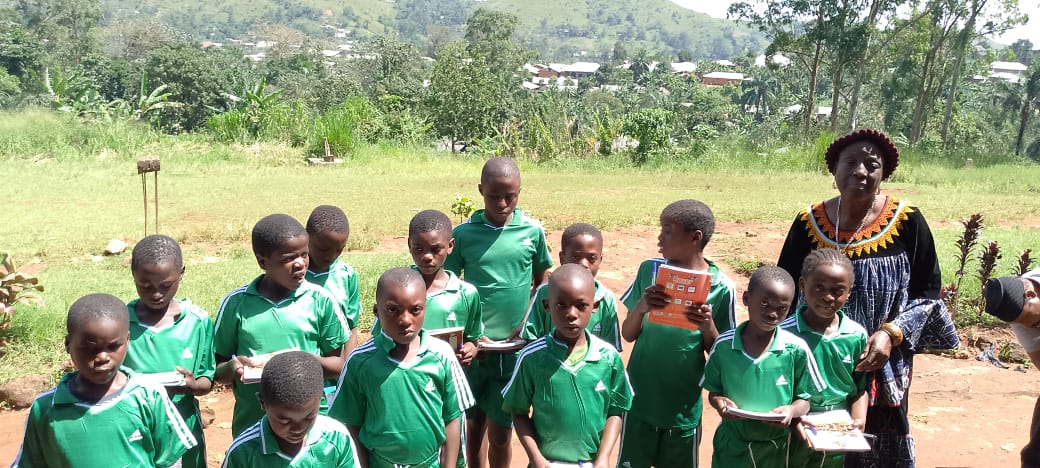
Why This Matters for Donors
Girls’ education as HIV prevention is supported by cross-sector evidence and policy initiatives. The operational implication is straightforward: small, predictable education supports can act as high-value prevention investments when delivered on time [1][2][3].
Practical Barriers We Target
- School-related fees and essential supplies that interrupt attendance.
- Uniform and hygiene-product gaps that lead to repeated missed days.
- Transport and safety concerns that reduce continuity for adolescent girls.
What FADOA Supports with Local Partners
- Hygiene kits and discreet attendance support for girls at risk of interruption.
- Mentorship groups led by trained female teachers and school focal points.
- Term-to-term attendance monitoring with early flagging for follow-up.
- Linkage, where appropriate, to youth-friendly health and social protection services [4].
Field Voice
"I stopped missing the week I got the kit. Now I help other girls keep their calendars."
Accountability and Safeguarding
- School focal points document follow-up for girls flagged at attendance risk.
- Support is delivered through local partners using practical handover tracking.
- Child-related communications remain privacy-protective and safeguarding-aligned.
Endnotes
- [1] UNICEF - Girls education and barriers to attendance. Learn more
- [2] UNAIDS - Education Plus initiative for adolescent girls and young women. Learn more
- [3] Kenya Ministry of Health - National Adolescent and Youth Health Policy. Learn more
- [4] WHO - Adolescent health. Learn more
Take Action
Help sustain girls’ school continuity through practical support that protects attendance, dignity, and long-term health outcomes.