Mid-Year Results: Uniforms Distributed, Children Retained, Caregivers Trained
Back to blogs

Mid-Year Results: Uniforms Distributed, Children Retained, Caregivers Trained

FADOA Programs TeamJun 4, 20245 min readResearch & Insights

Mid-Year Delivery Snapshot

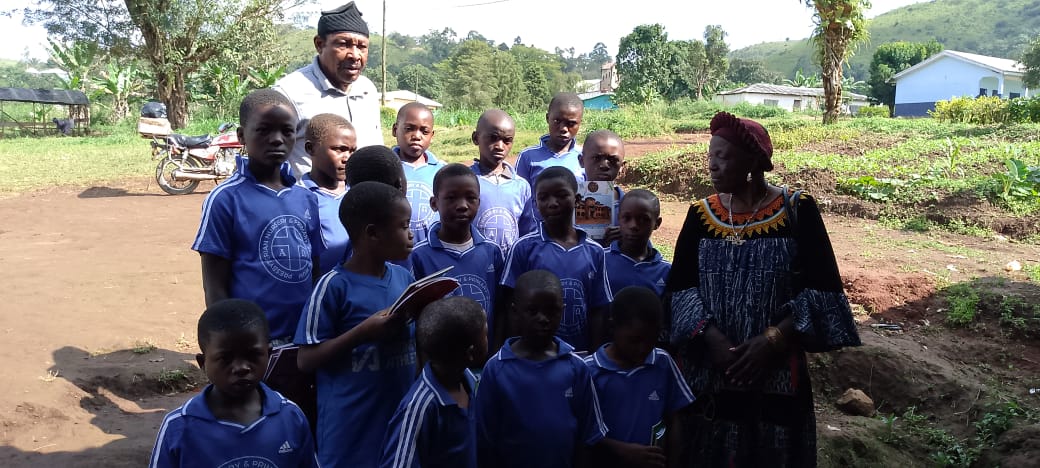
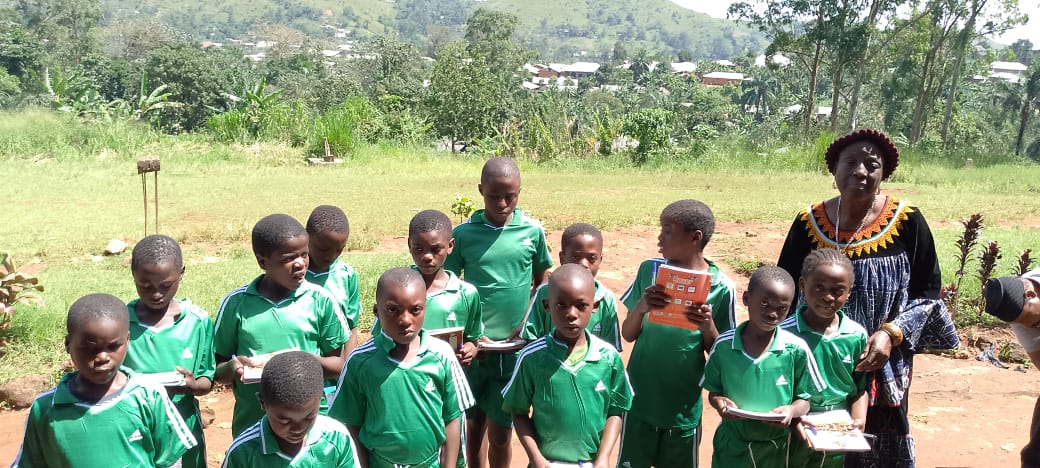
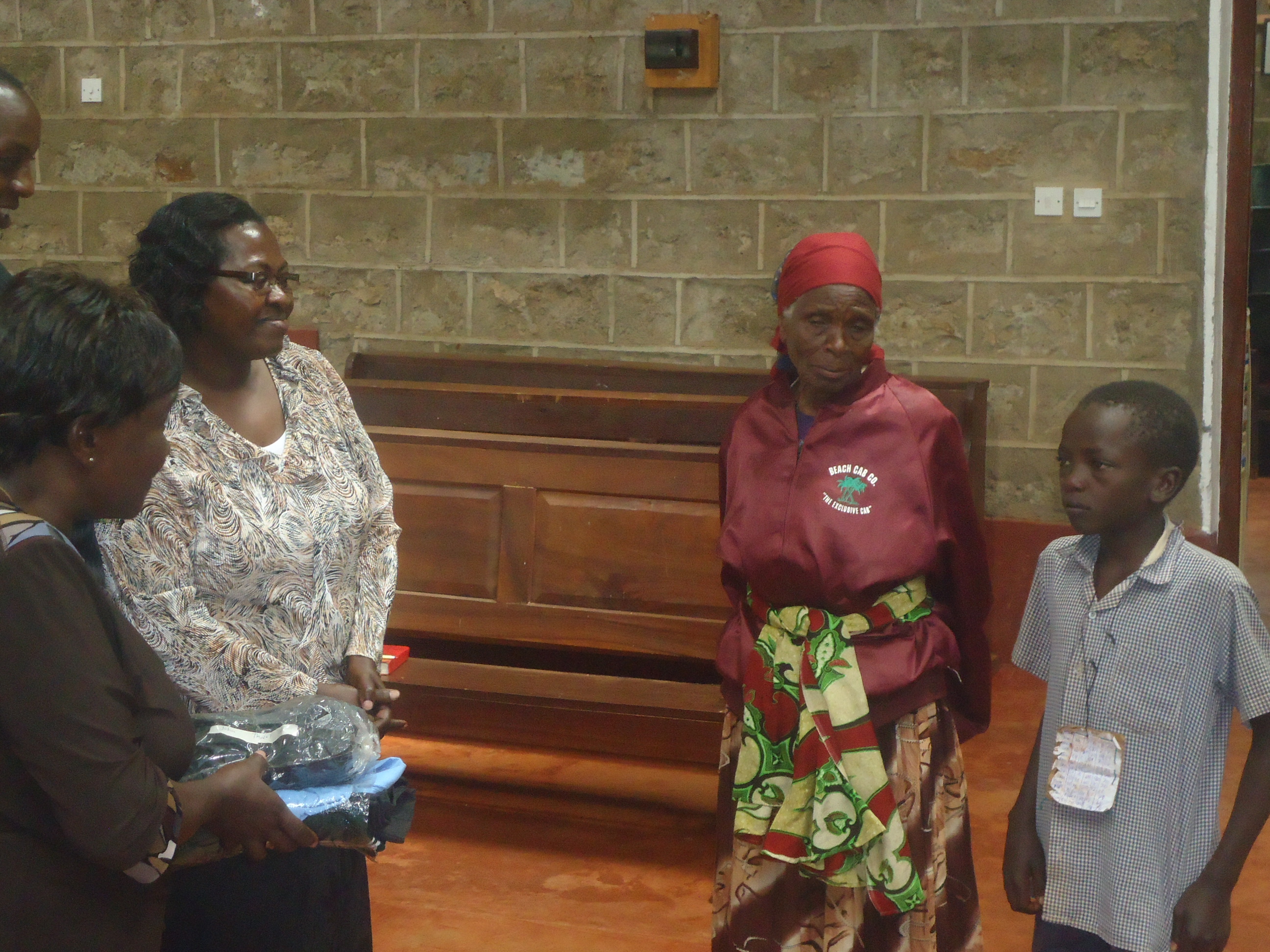
  • Uniform and school-essential support was delivered through local partner coordination aligned to school calendars.
  • Children identified as high risk for term disruption were prioritized for continuity-focused follow-up.
  • Caregiver touchpoints were used to reduce re-entry delays after short absences.

Why These Outputs Matter for Donors

In fragile, low-resource contexts, small delivery gaps compound quickly into missed classes and dropout risk. Mid-year support is strategically important because it targets the moment when household pressure, school costs, and attendance fatigue often intersect.

What Implementation Teams Are Prioritizing Next

  • Second-half retention follow-up for children with recurring attendance interruptions.
  • Caregiver-linked escalation pathways for households showing sustained financial or protection stress.
  • School-partner check-ins to verify continuity signals before end-of-year pressure points.

Accountability and Reporting Practice

  • Delivery records are documented through partner handover logs and routine field verification.
  • Continuity tracking uses simple, decision-useful indicators (attendance continuity, re-entry timing, retention proxy signals).
  • Child-facing reporting remains privacy-protective and aggregated in line with safeguarding and responsible-data standards [1][2].

How to Read This Mid-Year Update

This is an operational checkpoint, not a final annual evaluation. Its purpose is to inform donor decision-making on continuity funding for the second half of the year and reduce preventable interruption risk before year-end.

Endnotes

  • [1] UNICEF - Policy on Safeguarding (2024). Learn more
  • [2] UNICEF & GovLab - Responsible Data for Children (RD4C) Principles. Learn more
  • [3] World Bank - Education overview (access and retention context). Learn more
  • [4] UNAIDS - Children and HIV overview. Learn more

Related Reading

Continue Exploring

Legal Rights and Protections for AIDS Orphans in Africa
Research & Insights

Legal Rights and Protections for AIDS Orphans in Africa

AIDS orphans in Africa need more than care alone. They need enforceable rights to legal identity, family-based care, inheritance, and protection from abuse, with Cameroon and Kenya showing where those systems work and where gaps remain.

Read more
Case Studies and Success Stories from Africa
Research & Insights

Case Studies and Success Stories from Africa

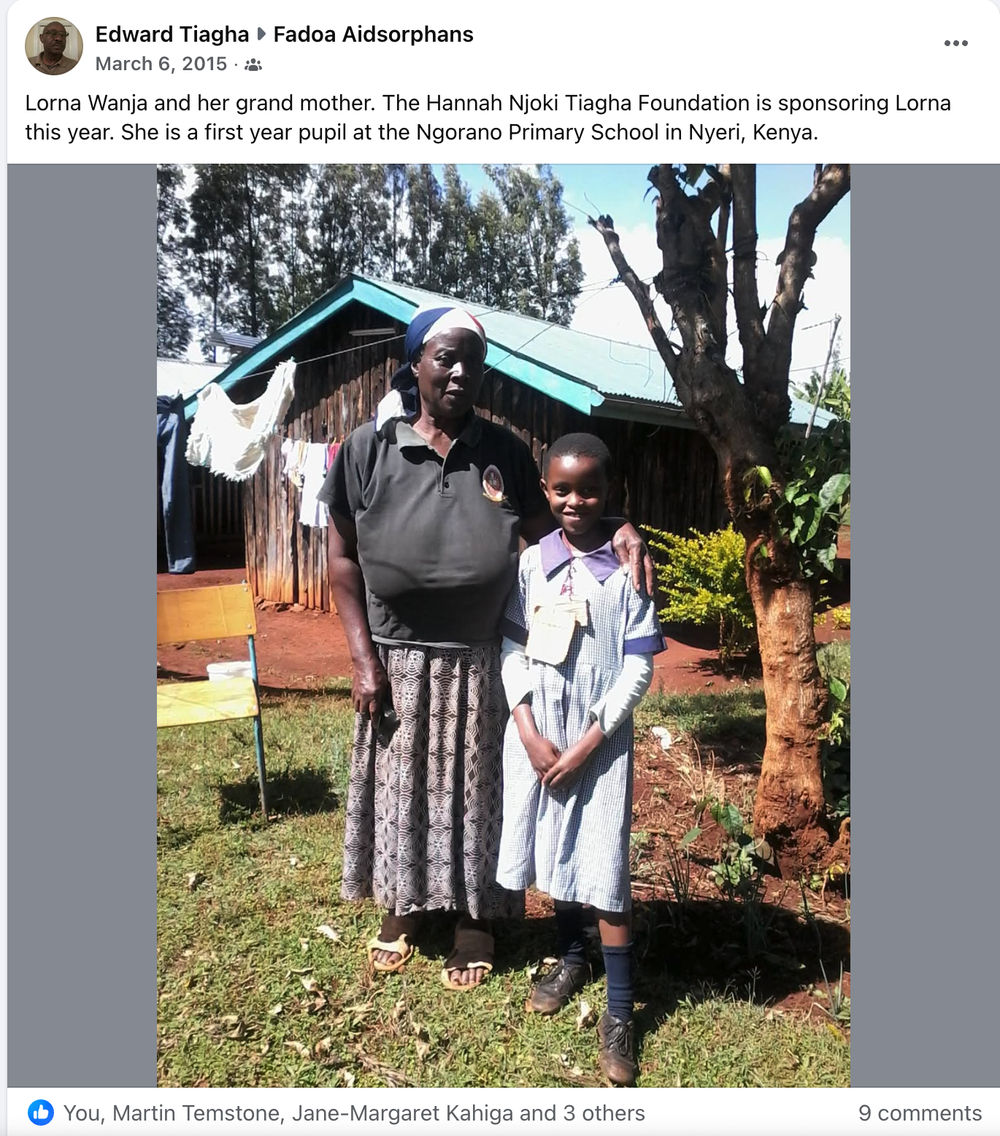
Case studies and success stories from Africa show how AIDS orphans can overcome grief, poverty, school disruption, and social isolation when effective interventions are practical, local, and sustained.

Read more
Sustainable Solutions for Orphan Care in Africa
Research & Insights

Sustainable Solutions for Orphan Care in Africa

Sustainable solutions for orphan care in Africa depend on long-term community systems, caregiver support, education continuity, and accountable local partnerships, with special emphasis on Cameroon and Kenya.

Read more

Take Action

Help sustain mid-year continuity support so children stay in school and caregivers can keep households stable through term transitions.

Support Our Work