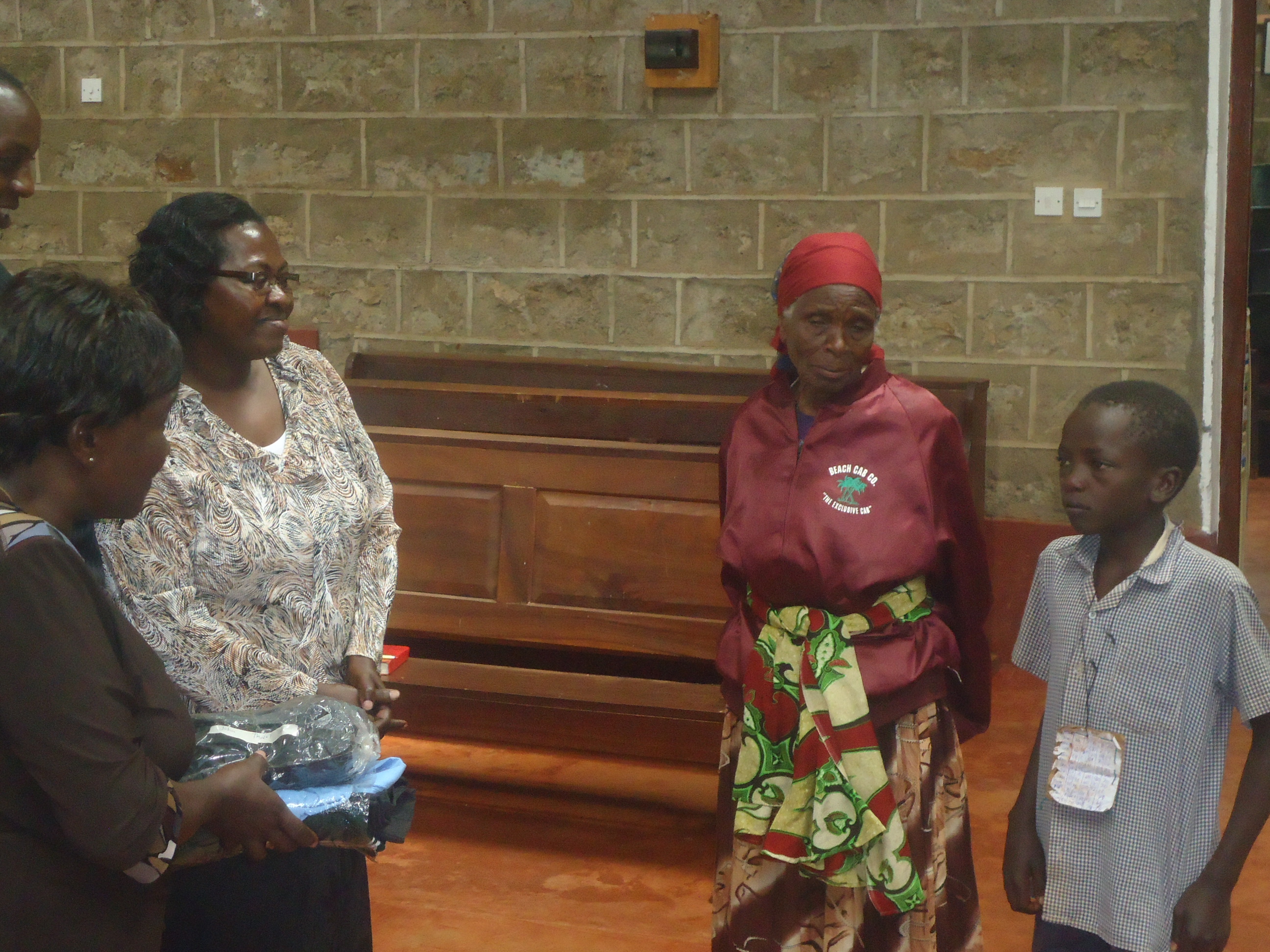
Overview of AIDS Orphans in Africa: Risks and Support
FADOA Research TeamMar 20, 20266 min readResearch & Insights
AIDS-related orphanhood does not describe every child affected by HIV. Some children are living with HIV themselves. Others live in households under heavy economic and emotional pressure because a parent is sick, has died, or a grandparent has become the main caregiver. In practice, that is why many programs talk about orphans and vulnerable children together. The label is broader, but the core problem is the same: children need stable support, health care, education, and protection if they are going to stay safe and keep moving forward.
How Big Is AIDS-Related Orphanhood in Sub-Saharan Africa?
Sub-Saharan Africa remains the center of AIDS-related orphanhood because it has carried the heaviest share of the global HIV burden for decades. UNICEF data show that three quarters of all children who have lost one or both parents to AIDS-related causes live in the region.[1] UNICEF also notes that most new infections in children and adolescents still occur in sub-Saharan Africa, which keeps pressure on prevention, treatment, and family support systems.[2]
The regional picture is broader than orphanhood alone. UNICEF's Eastern and Southern Africa program has described the region as home to more than 60 percent of children and adolescents worldwide living with HIV.[3] That matters because orphanhood is tied to the wider pediatric HIV response. When health systems struggle to prevent mother-to-child transmission, expand testing, or sustain treatment retention, more children and more caregivers face instability.
It is also important not to confuse AIDS-related orphanhood with every form of child vulnerability. A child can be vulnerable without being an orphan, and a child can be orphaned without living with HIV. A useful overview keeps those distinctions clear while recognizing that poverty, weak access to health care, and uneven treatment coverage often overlap.
Why AIDS Orphans and Vulnerable Children Face Higher Risk
The most immediate risks are practical. UNICEF reports that orphans and other vulnerable children are more likely to miss schooling, live in food insecure households, and face anxiety, depression, and greater exposure to HIV.[1] A child who has lost a parent may also lose income, daily supervision, and consistent access to school supplies, transport, and health care.
Caregivers often absorb that shock with limited resources. In many communities, grandparents, older siblings, or extended family members take over household support. That arrangement can preserve family ties, but it can also strain food budgets, rent payments, school fees, and time for routine health appointments. When one caregiver is supporting several children, even small disruptions can lead to missed treatment, poor nutrition, or school absence.
Social welfare systems matter here because orphanhood is not only a medical issue. Children may need birth registration, school placement, counseling, child protection services, or help after displacement and family separation. A narrow HIV response misses that reality. A stronger response links health, protection, and social welfare so vulnerable children are not left to navigate those risks alone.
How Support Systems Work: Caregivers, Health Systems, and Case Management
The most effective support models do not treat orphanhood as a single-issue problem. They combine household support, health systems, case management, and follow-up for treatment retention. PEPFAR reports that by September 30, 2024, it had provided critical care and support for 6.6 million orphans, vulnerable children, and their caregivers while also enabling 7.8 million babies to be born HIV-free to mothers living with HIV.[4]
That matters because family stability and HIV treatment are connected. If a household cannot afford transport, food, or basic school needs, treatment retention becomes harder. If a caregiver does not understand follow-up schedules or does not feel safe seeking help, a child may fall out of care. In that setting, case management is less about paperwork and more about helping a family solve practical barriers before they become crises.
CDC's work in the Democratic Republic of the Congo shows what that can look like in practice. The program description emphasizes health, psychosocial, safety, and economic needs together, rather than treating them as separate categories.[5] That kind of case management helps children living with HIV, but it also helps children who have lost parents to the AIDS epidemic and now depend on household support to stay in school and stay healthy.
What Current Responses Aim to Change
Current responses are trying to prevent new infections, close treatment gaps, and reduce the structural pressures that keep vulnerable children at risk. UNICEF, UNAIDS, WHO, governments, civil society, PEPFAR, and the Global Fund launched the Global Alliance for Ending AIDS in Children by 2030 around four pillars: treatment access for pregnant and breastfeeding women, prevention of new infections, better testing and treatment for infants, children, and adolescents, and action on rights, gender equality, and social barriers.[6]
National action plans also matter because orphanhood looks different across countries. Some governments now use broader definitions of vulnerability so support can reach children who need health care, protection, and school continuity even if they do not fit a narrow orphan category.[1] That shift improves policy fit, but it still depends on funding, local delivery capacity, and accountable health systems.
FAQ About AIDS Orphans in Africa
Are all children affected by HIV considered AIDS orphans?
No. AIDS orphans are children who have lost one or both parents due to AIDS-related causes.
Many other children are affected by HIV through poverty, caregiving strain, stigma, or living with HIV themselves, but they are not all counted as AIDS orphans.
What kinds of support help AIDS orphans stay in school and care?
The strongest support usually combines household support, school continuity help, health care access, psychosocial services, and case management.
Programs are more effective when caregivers can get help with transport, follow-up, and treatment retention as well as basic child protection needs.
Why do many programs refer to orphans and vulnerable children together?
Programs use that broader phrase because vulnerability is wider than orphanhood alone.
A child may face similar risks from illness, poverty, displacement, or weak caregiver capacity even if a parent is still alive.
Why the Overview Still Matters
An overview of AIDS Orphans in Africa is still necessary because orphanhood sits at the intersection of HIV prevention, treatment, child protection, and long-term household stability. The issue is not only how many million children have been affected. It is whether caregivers, PEPFAR-backed programs, national action plans, and local health systems can keep turning support into lasting protection for vulnerable children.
Endnotes
[1] UNICEF Data - AIDS-Related Orphanhood. Learn more
[5] CDC - Finding Stability: Orphans and Vulnerable Children in the DRC. Learn more
[6] UNICEF - New global alliance launched to end AIDS in children by 2030. Learn more
Related Reading
Continue Exploring
Research & Insights
Legal Rights and Protections for AIDS Orphans in Africa
AIDS orphans in Africa need more than care alone. They need enforceable rights to legal identity, family-based care, inheritance, and protection from abuse, with Cameroon and Kenya showing where those systems work and where gaps remain.
Case studies and success stories from Africa show how AIDS orphans can overcome grief, poverty, school disruption, and social isolation when effective interventions are practical, local, and sustained.
Sustainable solutions for orphan care in Africa depend on long-term community systems, caregiver support, education continuity, and accountable local partnerships, with special emphasis on Cameroon and Kenya.